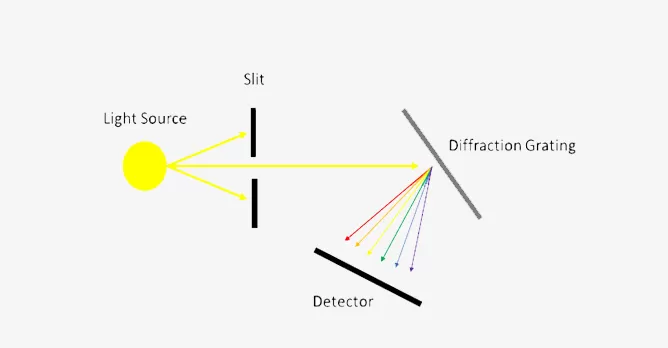
A spectrometer identifies the composition of a substance,
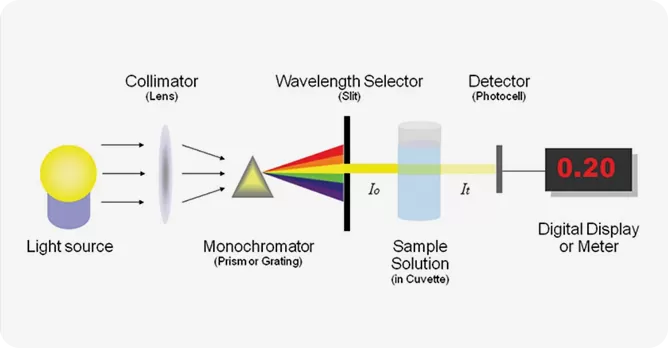
while a spectrophotometer quantifies the concentration of a substance.
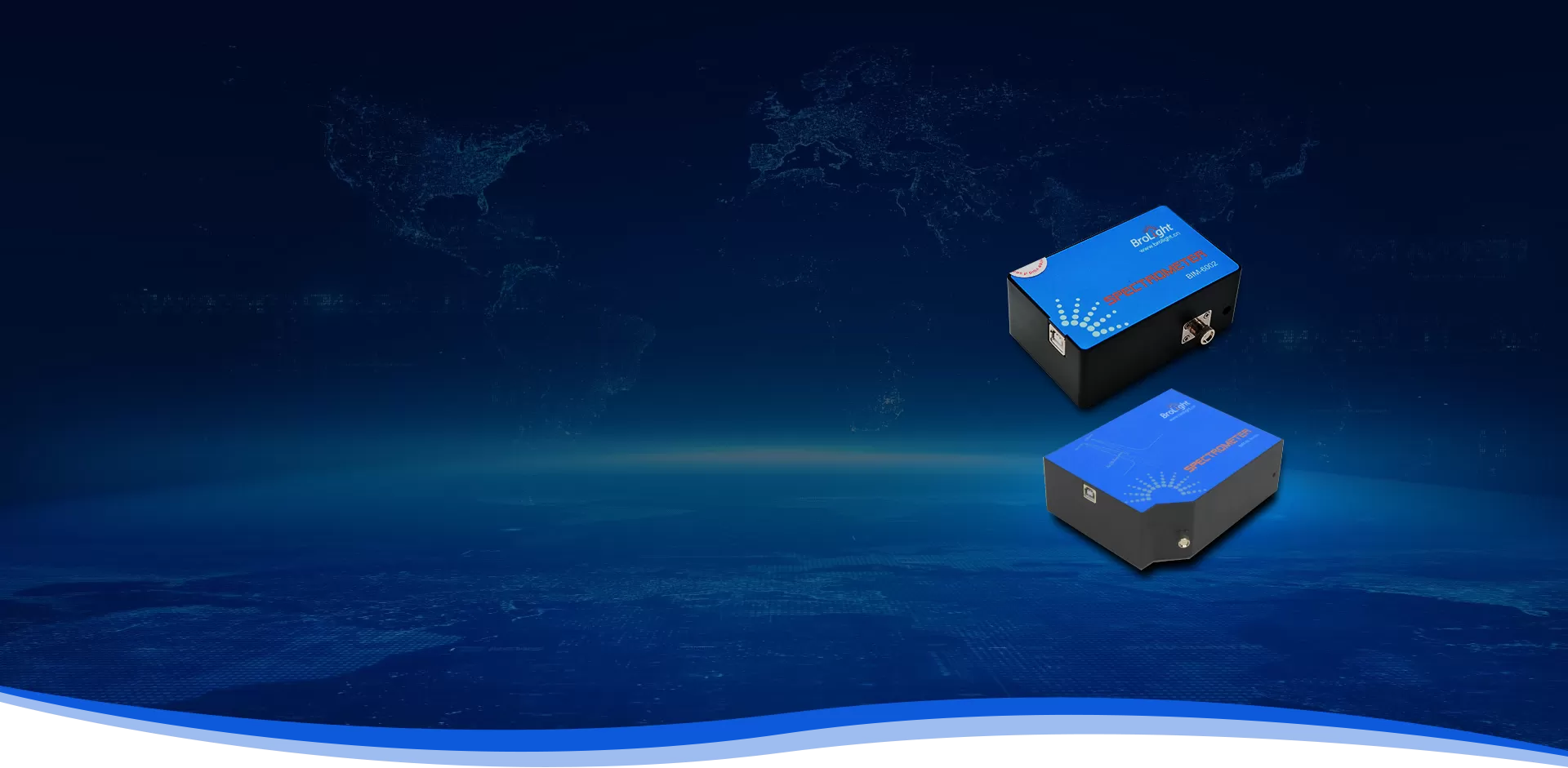
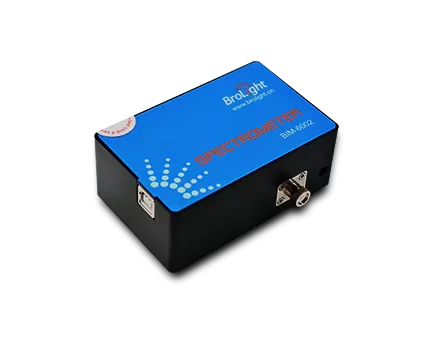
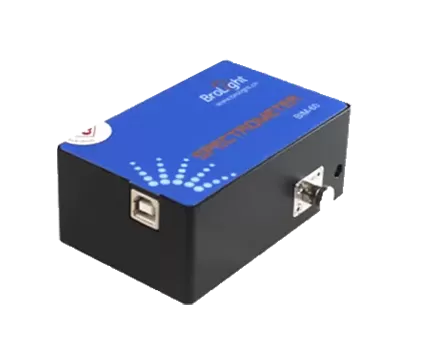
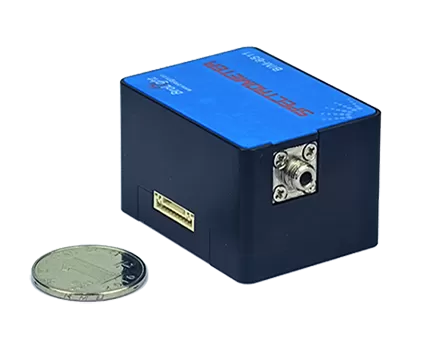
Brolight miniature spectrometer for sale delivers professional performance in a compact, business-card size. The advanced asymmetric optical path and interference filter of the miniature spectrometer for sale ensure accurate results. With USB connectivity, multiple trigger modes, and robust integrated software for instant analysis, the miniature spectrometer is the ideal tool for LED characterization, laser analysis, absorbance testing, and more. Start your spectral measurements with Brolight!
Insights into Experimental Teaching Kits for Physics & Photonics:
Other Experimental Teaching Kits for Physics & Photonics You May Also Like:
 EN
EN
 jp
jp  ko
ko  fr
fr  de
de  es
es  tr
tr  ru
ru  pt
pt  ar
ar  vi
vi