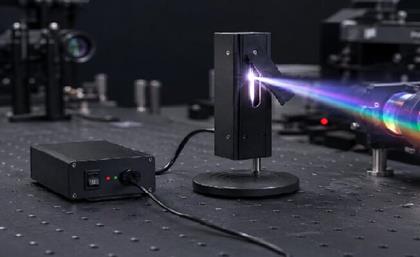
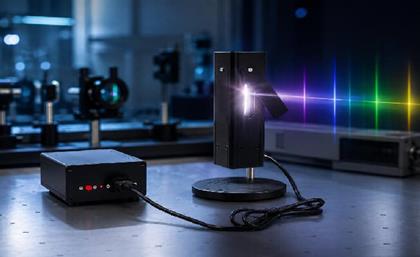
A mercury lamp is a gas discharge light source that produces ultraviolet and visible light by exciting mercury atoms inside a sealed tube. Understanding how does a mercury lamp work is important for r...
The wavelength of mercury light is an important parameter in spectroscopy, optical measurement, UV curing, calibration, and scientific research applications. Mercury lamps are widely used because merc...
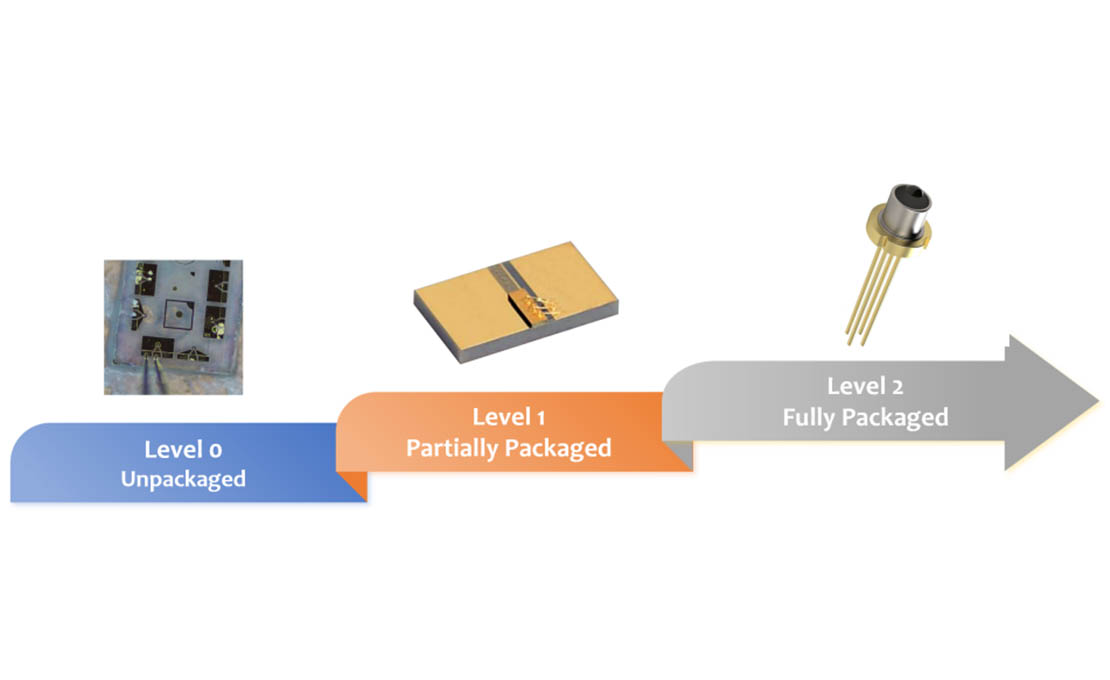
PrefaceIn a wide range of fields like optical communications, LiDAR, industrial processing, medical aesthetics, and beyond — the laser diode (LD) serves as the core light-emitting device, and its per...
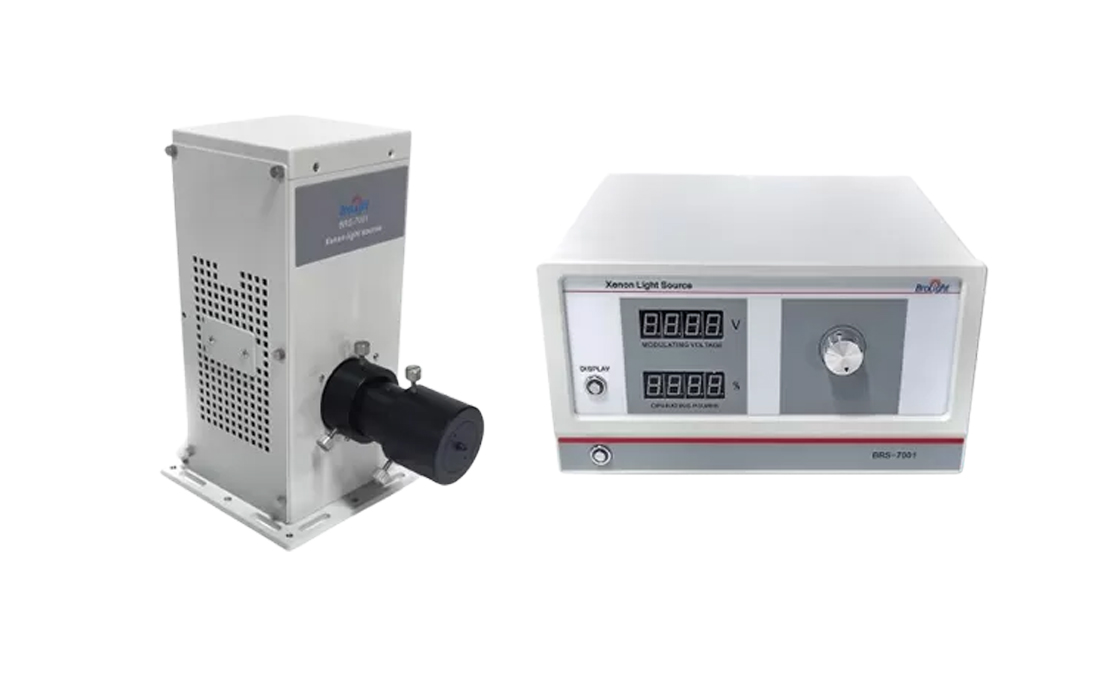
IntroductionIn cutting-edge fields such as photodetector R&D, solar cell characterization, and photocatalysis, researchers often face a common requirement: how can they obtain a stable, high-inten...
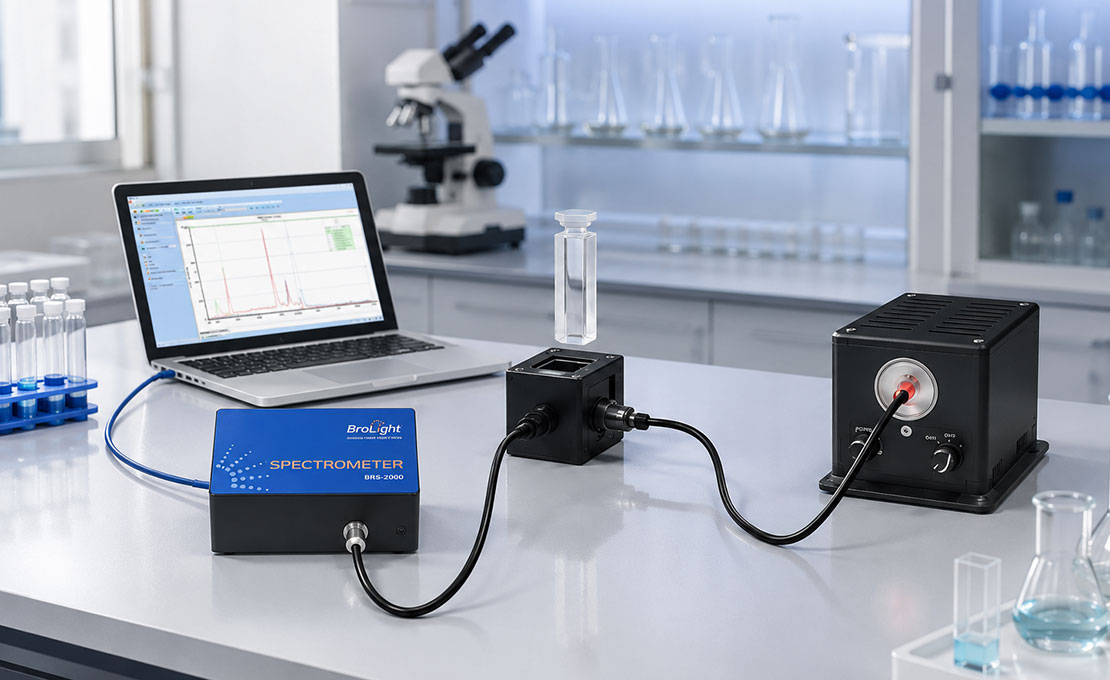
The application of UV visible spectrometer technology covers chemical analysis, concentration measurement, water quality testing, biological research, materials characterization and industrial quality...
A UV spectrometer works by sending ultraviolet light through or onto a sample, separating the light by wavelength, and measuring how much light is absorbed, transmitted or reflected. The result is a s...
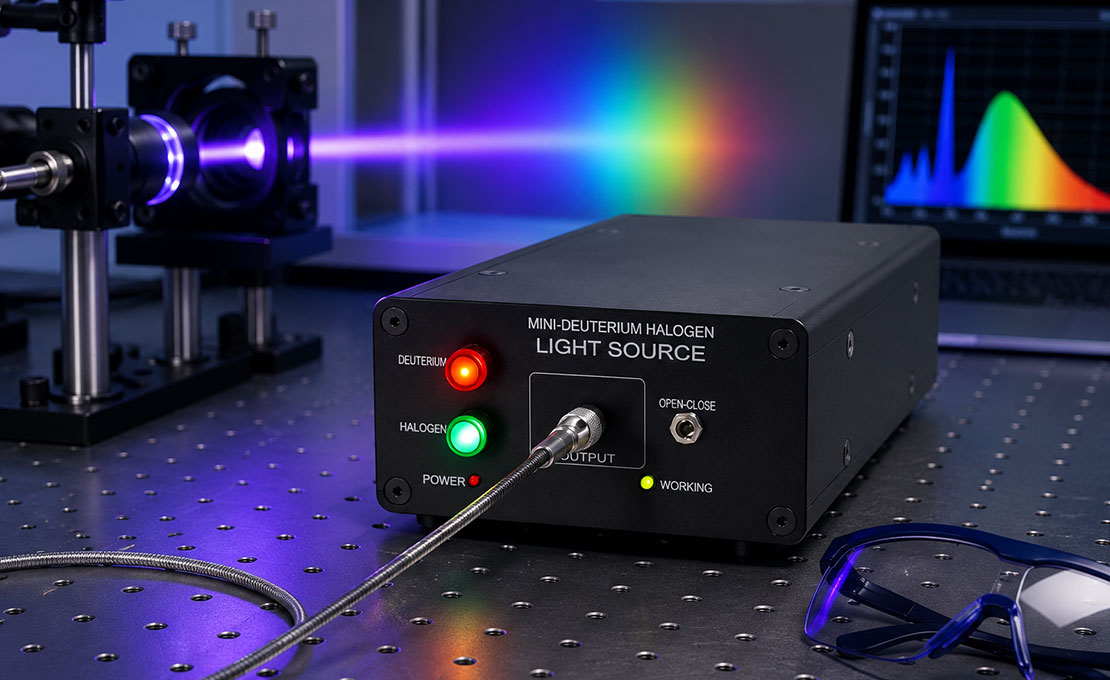
A deuterium lamp emission spectrum is the ultraviolet light output produced by a deuterium gas-discharge lamp, commonly used as a stable UV source in UV-Vis spectroscopy. Because many molecules absorb...
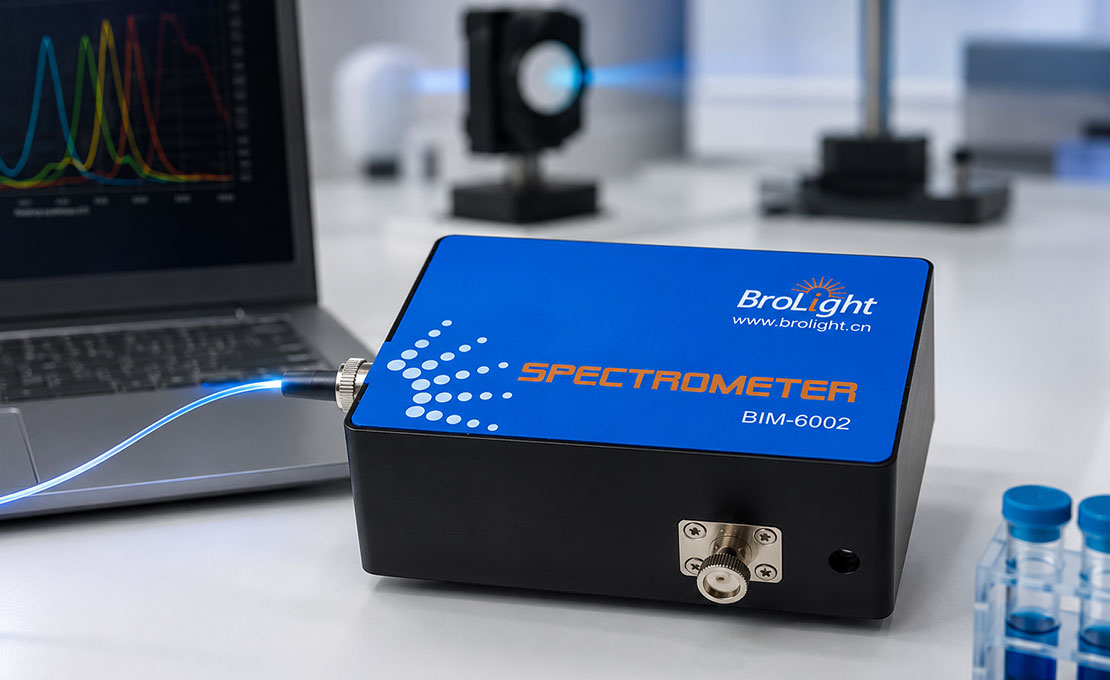
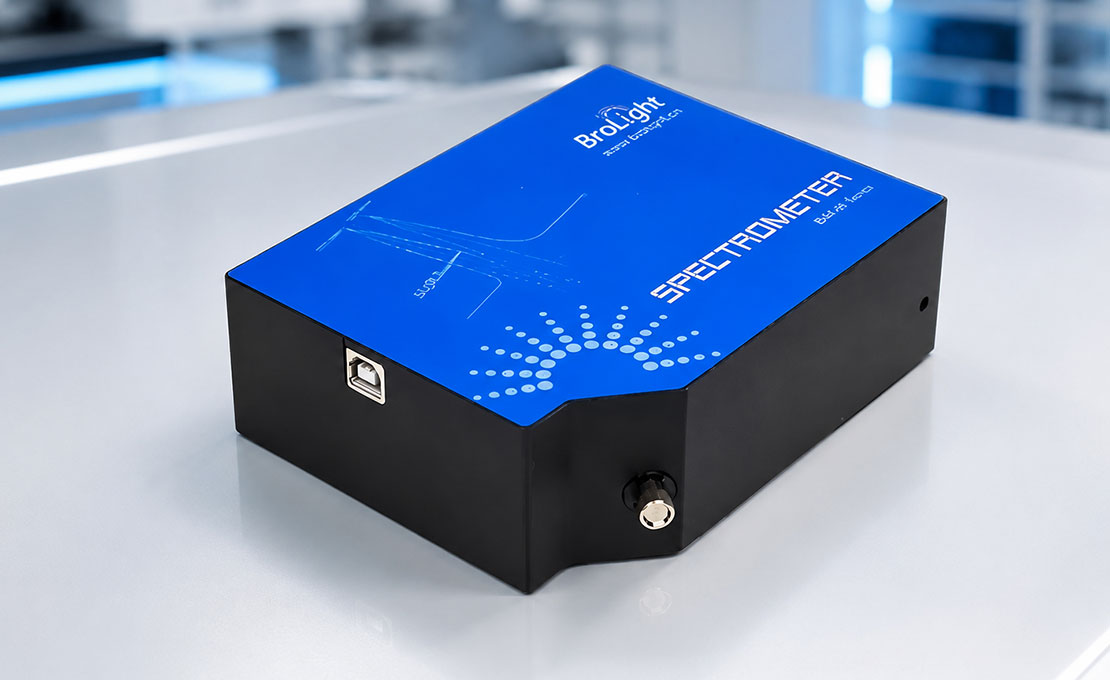
A CCD spectrometer is an optical instrument that separates incoming light into different wavelengths and uses a CCD detector to measure light intensity across the spectrum. It is widely used in chemic...
We use cookies to offer you a better browsing experience, analyze site traffic and personalize content. By using this site, you agree to our use of cookies.
Privacy Policy