Selecting the right photonics analytical instruments is crucial for achieving reliable results in both advanced research and educational environments. As technology continues to evolve, laboratories and universities require precise, versatile, and user-friendly tools for spectroscopy, light generation, and optical measurement.
This article highlights the most essential photonics analytical instruments needed in 2026 and provides practical guidance for research labs and teaching institutions.
Essential Photonics Instruments Every Modern Lab Needs
A well-equipped photonics laboratory typically requires three core types of instruments:
Spectrometers for detailed spectral analysis
Stable light sources for illumination and calibration
Accurate meters for measuring optical power or energy
Together, these instruments form a complete workflow for optical experiments, material characterization, and device testing. Having the right combination ensures both high-quality data and efficient experimental processes.
Integrating Mercury Light Source with Spectrometers for Accurate Calibration
A mercury light source is one of the most effective tools for wavelength calibration of spectrometers. Its sharp, discrete spectral lines provide known reference points that allow researchers to verify and adjust the wavelength accuracy of their spectrometers with high confidence.
In university laboratories, pairing a mercury light source with a compact spectrometer enables students to understand the importance of calibration while performing hands-on spectroscopy experiments. In research settings, this combination ensures the reliability of long-term spectral data collection.
The Role of Optical Power Meters in Photonic System Validation
An optical power meter plays a vital role in validating the performance of lasers, LEDs, and photonic devices by accurately measuring the total optical energy delivered. This is especially important in pulsed laser experiments, material processing studies, and exposure-dependent research.
For universities, optical power meters help students quantify light-matter interactions. In research labs, they provide critical data for optimizing experimental parameters and ensuring repeatability across different trials.
Choosing Cost-Effective Yet High-Performance Photonics Instruments
When equipping a laboratory or teaching facility, institutions must balance performance, reliability, and budget. Key considerations include:
Measurement accuracy and repeatability
Ease of use and software support
Durability for daily laboratory use
Scalability for future upgrades
Technical support and training availability
Instruments that offer good integration between spectrometers, light sources, and meters tend to deliver better long-term value and smoother workflows.
Why Brolight Is Trusted by Educators and Researchers Worldwide
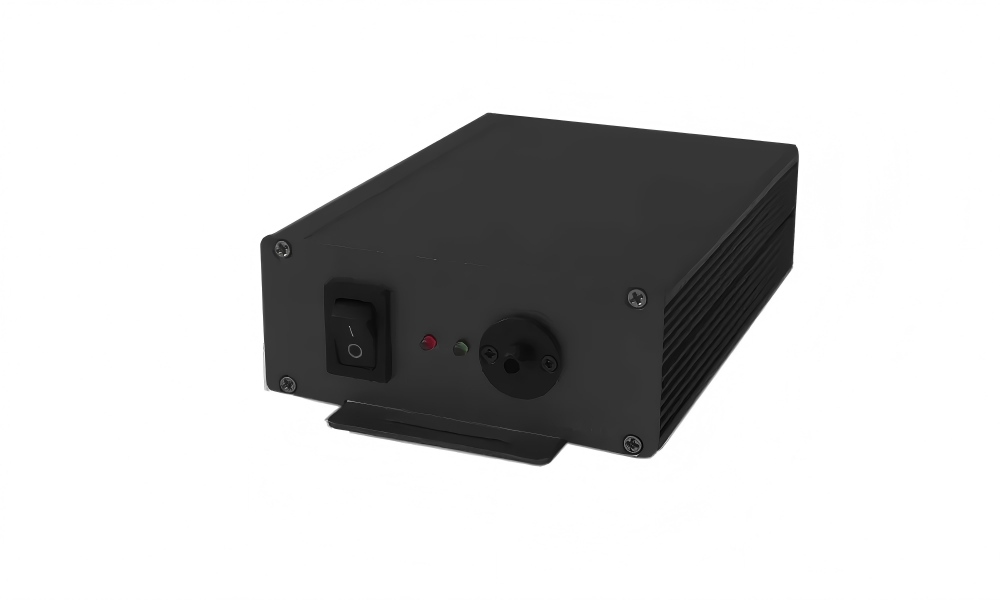
Brolight has built a strong reputation for providing practical and reliable photonics analytical instruments suitable for both research laboratories and university teaching environments. Their range includes high-quality spectrometers, stable mercury light sources, and precise optical energy meters that combine performance with ease of operation.
Educators appreciate the intuitive design and clear educational value, while researchers value the measurement accuracy and long-term stability of Brolight instruments.
For a complete understanding of how these instruments work together, including detailed selection criteria and applications, read our in-depth guide: The Ultimate Guide to Photonics Analytical Instruments in 2026: Spectrometers, Mercury Light Sources, and Optical Power Meters.
In conclusion, equipping your laboratory or university with the right photonics analytical instruments is essential for successful research and effective teaching in 2026. Brolight offers dependable, high-value solutions that support both scientific discovery and hands-on learning.
FAQs About Photonics Analytical Instruments
What is the minimum set of instruments needed for a basic photonics teaching lab?
A basic setup usually includes a compact spectrometer, a stable light source (such as a mercury or tungsten lamp), and an optical power meter.
How important is software support for laboratory instruments?
Modern software significantly improves efficiency by enabling data logging, real-time analysis, and easy report generation, especially valuable in both research and educational settings.
Can the same instruments be used for both teaching and advanced research?
Yes. Many versatile instruments are designed to serve both educational purposes at beginner levels and more demanding research applications.
What wavelength range is most commonly needed for university labs?
Most university photonics labs require coverage from ultraviolet (UV) through visible to near-infrared (NIR), typically 200 nm to 1100 nm.
Is it better to buy individual instruments or a complete experimental kit?
It depends on the budget and goals. Complete kits are often more suitable for teaching labs, while individual high-performance instruments may be preferred for specialized research.
 EN
EN
 jp
jp  ko
ko  fr
fr  de
de  es
es  tr
tr  ru
ru  pt
pt  ar
ar  vi
vi