Precise measurement of optical energy is essential for advancing research in photonics, laser technology, and optical systems. An optical energy meter provides accurate quantification of accumulated optical energy, making it a critical instrument in both laboratory and industrial settings.
This guide covers the working principles, key features, applications, and selection criteria for optical energy meters in 2026.
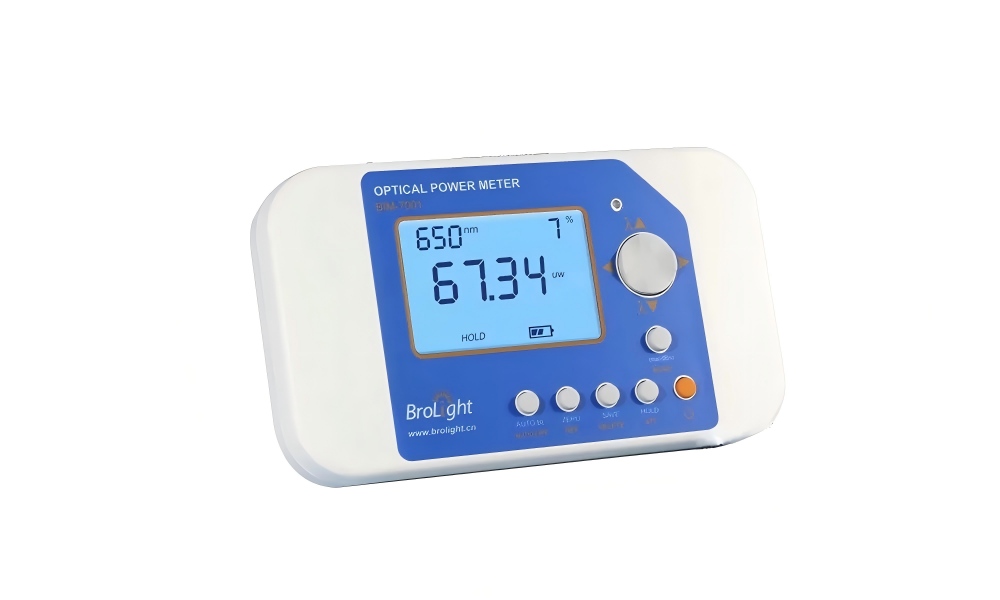
What Is an Optical Energy Meter and Why Precision Matters
An optical energy meter measures the total amount of optical energy delivered over a period of time, typically expressed in joules (J) or millijoules (mJ). Unlike instantaneous power measurement, it integrates optical power over time, which is particularly important for pulsed lasers, exposure experiments, and energy-dependent processes.
In 2026, with the increasing use of high-energy lasers, ultrafast optics, and photonic devices, the demand for accurate and repeatable energy measurement continues to rise. Small inaccuracies in energy measurement can significantly affect experimental results, product performance, and quality control outcomes.
Key Features to Look for in a Modern Optical Energy Meter
When choosing an optical energy meter, several important features should be considered:
Wide measurement range and high sensitivity
Fast response time suitable for pulsed and continuous wave sources
Broad wavelength coverage from UV to near-infrared
Excellent linearity and low uncertainty
Convenient data logging and analysis capabilities
USB Connectivity and Software Integration
Modern USB optical energy meters offer excellent portability and seamless integration with computers. Dedicated software allows real-time monitoring, data recording, statistical analysis, and easy report generation, significantly improving workflow efficiency in both research and production environments.
Practical Applications of Optical Energy Meters
Optical energy meters are widely used in:
Pulsed laser characterization and energy monitoring
Photovoltaic and solar energy research
Laser material processing and micromachining
Biomedical and fluorescence excitation studies
Optical communication system testing
University and research institute teaching laboratories
Their ability to accurately measure accumulated energy makes them indispensable for applications where total energy dosage is more critical than instantaneous power.
Optical Energy Meter vs Optical Power Meter: Understanding the Differences
While closely related, these two instruments serve different purposes. An optical power meter measures instantaneous optical power (energy per unit time), whereas an optical energy meter integrates power over time to calculate total delivered energy. Some advanced devices combine both functions, but dedicated energy meters are preferred when precise energy accumulation is required, especially for pulsed sources.
Brolight Optical Energy Meter Solutions
Brolight offers reliable and user-friendly optical energy meters designed to meet the needs of modern photonics laboratories and industrial users. With strong emphasis on accuracy, stability, and ease of use, Brolight’s solutions help researchers and engineers obtain consistent and trustworthy measurement results.
For a broader perspective on how optical energy meters work alongside spectrometers and mercury light sources, read our comprehensive guide:The Ultimate Guide to Photonics Analytical Instruments in 2026: Spectrometers, Mercury Light Sources, and Optical Power Meters.
In conclusion, selecting a high-quality optical energy meter is crucial for achieving accurate and repeatable results in photonics applications. Brolight continues to provide practical, precise instruments that support the evolving demands of scientific research and industrial innovation.
FAQs About Optical Energy Meters
What is the main difference between optical energy and optical power measurement?
Optical energy measures total accumulated energy over time (in joules), while optical power measures instantaneous rate of energy delivery (in watts).
Can an optical energy meter measure continuous wave (CW) light sources?
Yes, although they are more commonly used for pulsed sources, many optical energy meters can also measure energy from continuous wave light by integrating over a defined period.
How often should an optical energy meter be calibrated?
Annual calibration is generally recommended to maintain accuracy, especially in high-precision or industrial applications.
Are USB optical energy meters suitable for field use?
Yes. Their compact size, low power consumption, and laptop connectivity make them highly practical for both laboratory and field measurements.
What factors affect the accuracy of optical energy measurements?
Key factors include sensor wavelength response, beam size uniformity, integration time, and environmental conditions such as temperature and stray light.
 EN
EN
 jp
jp  ko
ko  fr
fr  de
de  es
es  tr
tr  ru
ru  pt
pt  ar
ar  vi
vi